
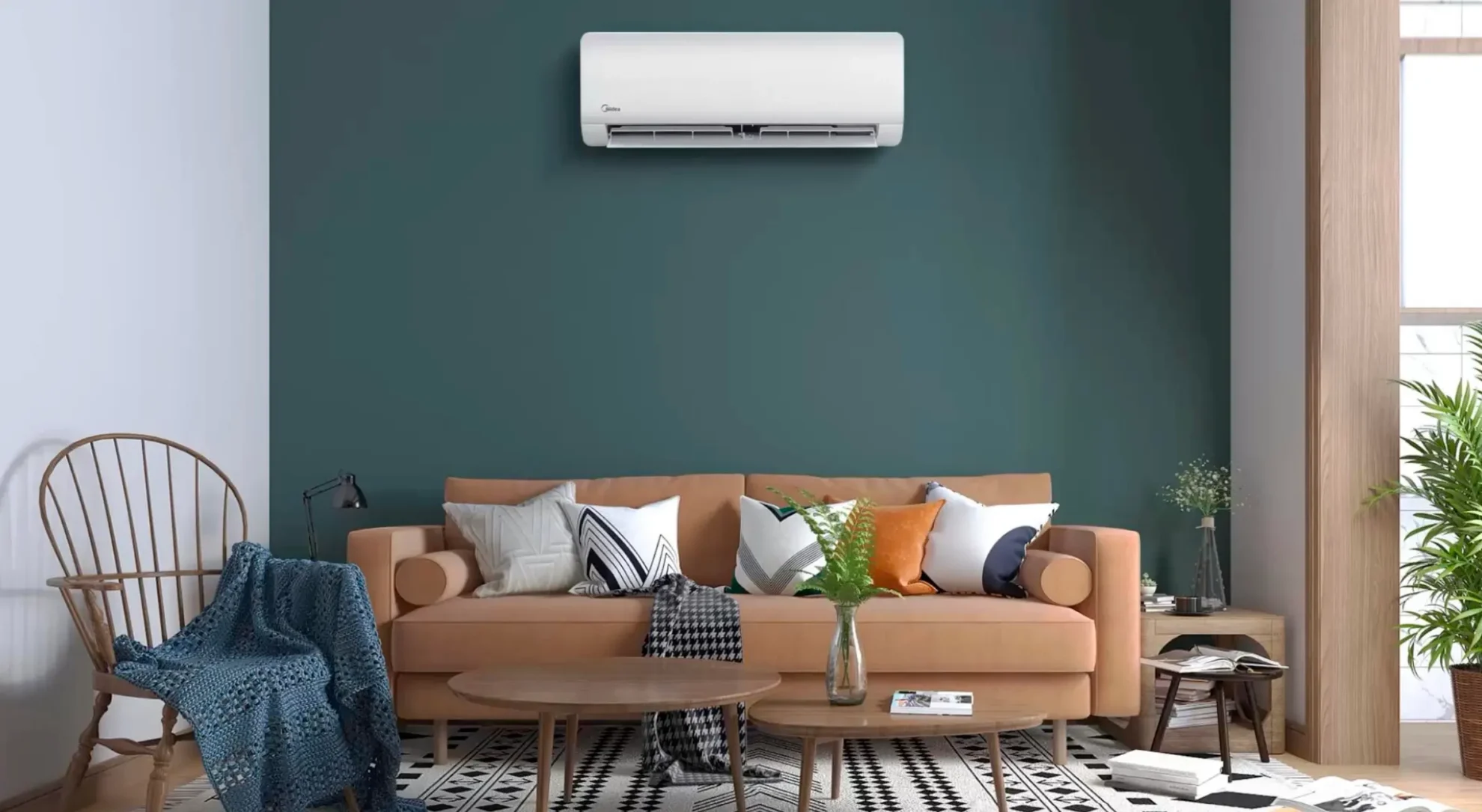
Alright, so January’s here, and with it, the heat really starts to kick in, especially for us Aussies. If you’re anything like me, you’re probably thinking about how to keep your place cool without breaking the bank or turning your home into a construction zone. That’s where window type air conditioners often come into the picture. They’re a popular choice for a lot of folks, but like anything, they’ve got their good bits and their not-so-good bits. We’re going to have a yarn about the pros and cons of using window AC units, so you can figure out if one’s the right fit for your home.
Key Takeaways
- Window AC units are generally a cheaper way to cool a room compared to other systems.
- They’re pretty simple to put in, meaning you can often do it yourself without needing a tradie.
- These units are best for smaller spaces, like a single bedroom or a study.
- You might find them a bit noisy, and they can use more power than some other air conditioners.
- Keeping your window type air conditioner clean and the right size for your room helps it work better.
Understanding Window Type Air Conditioners
What Defines a Window Unit?
So, what exactly is a window air conditioner? Well, it’s a self-contained unit designed to sit, as the name suggests, in a window frame. These units house all the components needed for cooling – the compressor, condenser, expansion valve, and evaporator – in a single box. They’re a pretty common sight in older homes or apartments, and you’ve probably seen them sticking out of windows around the place. They exhaust hot air to the outside while blowing cool air into the room. They usually plug into a standard electrical outlet, making them relatively easy to set up. But, not all windows are created equal, so window-type air conditioner installation can sometimes be a bit tricky.
How They Differ From Split Systems
Okay, let’s talk about how window units stack up against split systems. The main difference? Split systems have two parts: an indoor unit and an outdoor unit. The indoor unit blows out the cool air, and the outdoor unit houses the noisy compressor and condenser. This separation makes split systems quieter indoors. Window units, on the other hand, have everything in one box, which means the noise is all in the room with you. Split systems also tend to be more energy-efficient and can cool larger areas. But, they’re more expensive to buy and install. So, window units vs split systems really comes down to budget, room size, and how much noise you’re willing to put up with.
Comparing With Ducted Air Conditioning
Ducted air conditioning is a whole different ball game. It involves a central unit that pumps cool or warm air through ducts in your walls or ceiling to vents in different rooms. It’s a much more comprehensive and expensive solution, usually installed during construction or major renovations. Ducted systems offer whole-house climate control and are generally more energy-efficient for larger homes. Window units are really only designed to cool a single room. So, when to consider a window unit in Australia instead of ducted? Think small spaces, temporary solutions, or situations where you can’t or don’t want to install a permanent system. For example, if you’re renting, or only need to cool one bedroom, a window unit can be a great option.
Window air conditioners are a practical solution for cooling individual rooms, offering a balance of affordability and ease of installation. While they may not match the efficiency or quietness of split or ducted systems, they serve a valuable purpose in specific situations.
The Upsides of Choosing Window AC Units
Budget-Friendly Cooling Solutions
One of the most appealing aspects of window AC units is their affordability. Compared to ducted systems or even split systems, the initial investment is significantly lower. This makes them a great option if you’re on a budget or need a cooling solution for a short period. But are window ACs still worth it when you consider the long-term costs? Well, let’s break it down. You’ll save on the upfront purchase and installation, but keep in mind running costs can vary depending on the unit’s energy efficiency.
Straightforward Installation Process
Forget about complicated ductwork or professional installations. Window AC units are designed for easy, DIY installation. Most units come with mounting hardware and instructions that allow you to set them up yourself. This not only saves you money on installation costs but also gives you the flexibility to move the unit from room to room as needed. Just make sure you follow the instructions carefully and ensure the unit is securely mounted to prevent any accidents.
Ideal for Specific Spaces
Window AC units shine when it comes to cooling individual rooms or smaller areas. They’re perfect for bedrooms, home offices, or small apartments where you don’t need to cool the entire house. This targeted cooling approach can be more efficient than running a central AC system to cool just one room. Plus, their compact AC solutions for apartments make them a great choice if you’re renting and can’t make permanent alterations to the property. Thinking about IACS window air conditioner range?
Window AC units offer a practical and cost-effective way to cool specific areas in your home. Their ease of installation and targeted cooling make them a popular choice for many Australians, especially those living in apartments or smaller homes.
Potential Downsides to Consider
While window AC units offer several advantages, it’s important to be aware of their potential drawbacks before making a decision. Let’s look at some of the things you might want to think about.
Energy Efficiency Considerations
One of the main concerns with window AC units is their energy efficiency compared to other types of air conditioning systems. Generally, they’re less efficient than split systems or ducted air conditioning, which can lead to higher electricity bills, especially if you’re using them frequently or for extended periods.
Here’s a quick rundown:
- Air Leaks: Window units can sometimes create air leaks around the edges, even when properly installed. This means cool air escapes, and warm air gets in, making the unit work harder.
- Older Models: Older window AC models tend to be less energy-efficient than newer ones. If you’re using an older unit, consider upgrading to a more modern, energy-efficient model.
- Room Size: Using a unit that’s too powerful for a small room can also waste energy. It’s important to choose the right size unit for the space you’re cooling. Proper sizing for your space.
It’s worth checking the Energy Star rating before you buy. A higher rating means better energy efficiency and lower running costs.
Noise Levels and Aesthetics
Another thing to consider is the noise level. Window AC units can be quite noisy, which can be disruptive, especially in bedrooms or home offices. The compressor and fan can generate a fair bit of noise, and some models are louder than others. Also, let’s be honest, they’re not always the most attractive things to have sticking out of your window. They can block natural light and affect the overall look of your room. Split systems are generally more affordable but have limitations. Their outdoor condenser units can be visually unappealing and difficult to conceal, potentially requiring additional landscaping. Indoor units can also restrict room decoration options.
Consider these points:
- Noise Ratings: Check the decibel (dB) rating of the unit before you buy. Lower dB ratings mean quieter operation.
- Vibration: Some units can cause vibrations, which can add to the noise. Make sure the unit is securely mounted to minimise vibration.
- Aesthetic Impact: Think about how the unit will look in your room and from the outside. Some models are more streamlined and less obtrusive than others.
Limited Cooling Capacity
Window AC units are designed to cool single rooms or small areas. They’re not really suitable for cooling an entire house or even multiple rooms at once. If you need to cool a larger space, you’ll probably need multiple units, which can be costly and inefficient.
Keep in mind:
- Room Size Limitations: Window units have a limited BTU (British Thermal Unit) rating, which determines how much heat they can remove from a room. Make sure the BTU rating is appropriate for the size of the room.
- Uneven Cooling: Even in a single room, a window unit may not provide even cooling throughout the space. Some areas may be cooler than others.
- Alternative Solutions: For larger spaces, consider ducted air conditioning or split systems, which offer more powerful and efficient cooling options.
Optimising Performance and Efficiency
Getting the most out of your window AC unit isn’t just about blasting it on full power. It’s about understanding how to use it efficiently to save money and stay comfortable. Let’s look at some ways to optimise your window AC’s performance.
Proper Sizing for Your Space
One of the biggest mistakes people make is getting a window AC that’s either too big or too small for the room. An undersized unit will struggle to cool the space, running constantly and wasting energy. An oversized unit will cool the room too quickly, leading to short cycling – turning on and off frequently – which is also inefficient and can cause temperature fluctuations. The key is to match the AC’s BTU (British Thermal Units) rating to the room’s square footage.
To figure out the right size, measure the length and width of your room in metres, then multiply those numbers to get the area. As a general guide:
- Up to 15 square metres: 5,000-6,000 BTU
- 15-25 square metres: 7,000-9,000 BTU
- 25-35 square metres: 10,000-12,000 BTU
- Larger than 35 square metres: Consider multiple units or a different type of AC.
Also, consider factors like sunlight exposure, ceiling height, and the number of people who regularly occupy the space. Rooms with lots of sunlight or high ceilings might need a slightly larger unit. If you’re unsure, it’s always best to err on the side of slightly larger, but not excessively so.
Maintenance Tips for Longevity
Regular maintenance is essential for keeping your window AC running efficiently and extending its lifespan. Here are a few simple things you can do:
- Clean the philtre regularly: Aim to clean the philtre every 2-4 weeks, or more often if you have pets or allergies. A dirty philtre restricts airflow, making the AC work harder and use more energy. Simply remove the philtre, wash it with mild soap and water, let it dry completely, and then put it back in.
- Clean the coils: The coils are located on the outside of the unit and can accumulate dust and debris. Use a brush attachment on your vacuum cleaner to gently clean the coils a couple of times a year. You can also use a fin comb to straighten any bent fins.
- Check the seals: Make sure the seals around the window are tight to prevent air leaks. Use weather stripping or caulk to seal any gaps.
- Winter storage: If you live in an area with cold winters, remove the AC unit from the window and store it in a dry place. This will protect it from the elements and prevent damage.
By following these simple maintenance tips, you can keep your window AC running smoothly for years to come.
Understanding Energy Ratings
When shopping for a window AC, pay close attention to the energy ratings. In Australia, appliances are rated using the Energy Rating Label, which shows how energy efficient the appliance is. The more stars, the more efficient it is.
Look for the Energy Efficiency Ratio (EER) or the Combined Energy Efficiency Ratio (CEER). The higher the EER or CEER, the more efficient the unit is. A higher rating means it will use less electricity to produce the same amount of cooling. While a more efficient unit might cost a bit more upfront, it will save you money on your electricity bill in the long run. Consider the long term savings when making your decision.
Consider these points when assessing energy ratings:
- Compare EER/CEER ratings between different models.
- Look for the Energy Star label (or the Australian equivalent).
- Factor in your usage habits – how often and how long will you be using the AC?
Best Use Cases for Window Air Conditioners
Window air conditioners might seem a bit old-school, but they still have some great uses in modern homes. They’re not always the best choice for every situation, but in certain scenarios, they really shine. Let’s look at where they make the most sense.
Cooling Small Rooms Effectively
Window AC units are fantastic for cooling smaller spaces. Think bedrooms, home offices, or even a small living room. They’re designed to efficiently cool a limited area, and they do it well. You’re not wasting energy trying to cool a whole house when you only need to cool one room. Plus, you can really dial in the temperature to make that space super comfortable. It’s all about targeted cooling, and window units excel at that.
Perfect for Rental Properties
If you’re renting, you might not be able to install a ducted air conditioning system. Window AC units are a great alternative. They’re relatively easy to install and remove, so you can take them with you when you move. Landlords often appreciate this, as it doesn’t involve any permanent changes to the property. Plus, you’re in control of your own cooling, without relying on a central system that might not meet your needs. It’s a win-win situation for renters.
Temporary Cooling Solutions
Sometimes you only need cooling for a short period. Maybe your central air is on the blink, or you’re only using a room for a few months of the year. Window AC units are perfect for these situations. They provide a quick and easy cooling solution without the commitment of a permanent installation. You can set them up when you need them and pack them away when you don’t. This flexibility makes them ideal for temporary cooling needs.
Window AC units offer a practical and cost-effective way to cool specific areas, especially when a full-house system isn’t necessary or feasible. Their ease of installation and portability make them a versatile option for renters and those needing temporary cooling solutions.
IACS Window Air Conditioner Range
Exploring Available Models
IACS offers a diverse range of window air conditioners to suit various needs and room sizes. From compact units perfect for small bedrooms to more powerful models capable of cooling larger living areas, there’s an IACS window AC for almost every situation. We’ve got models with different cooling capacities (measured in BTUs), energy efficiency ratings, and features. Thinking about getting one? It’s worth checking out the full range on our website or visiting your local retailer to see what’s available.
Features and Specifications
Each IACS window air conditioner comes packed with features designed for comfort and convenience. You’ll find things like:
- Adjustable Thermostats: For precise temperature control.
- Multiple Fan Speeds: To tailor airflow to your liking.
- Energy-Saving Modes: To help reduce your electricity bill.
- Remote Controls: For easy operation from anywhere in the room.
- Air philtres: To capture dust and allergens, improving air quality.
Some models also include features like sleep mode, timers, and even smart home integration. It’s a good idea to compare the specifications of different models to find one that meets your specific requirements.
Finding the Right Unit for Your Home
Choosing the right window AC unit involves considering a few key factors. First, think about the size of the room you need to cool. A unit that’s too small won’t be effective, while one that’s too large might cycle on and off too frequently, wasting energy. Use our handy BTU calculator on the IACS website to get a recommendation based on your room’s dimensions. Also, consider any special features you might want, such as a dehumidifier or a sleep mode. Finally, don’t forget to check the energy efficiency rating to ensure you’re choosing a unit that will save you money in the long run.
Installation and Placement Tips
So, you’ve got your window AC unit. Great! But just slapping it in any old window won’t cut it. Proper installation and placement are key to getting the most out of your new cooler, saving on energy bills, and avoiding any nasty accidents. Let’s get into the nitty-gritty.
Ensuring Secure Mounting
First things first: safety. A falling AC unit is a serious hazard. Make sure your window frame is sturdy enough to support the weight of the unit. This is especially important if you have older windows. Here’s a quick checklist:
- Check the window frame: Look for any signs of rot, damage, or weakness. If it’s dodgy, get it fixed before installing the AC.
- Use the support brackets: These usually come with the unit. Don’t skip this step! They provide crucial support and stability.
- Angle the unit slightly outwards: This allows condensation to drain properly. You don’t want water pooling inside.
- Seal any gaps: Use weather stripping or foam to seal any gaps around the unit. This prevents air leaks and keeps out insects.
Maximising Airflow and Coverage
Where you put your AC unit in the room matters. You want to make sure the cool air circulates properly. Here’s how:
- Avoid obstructions: Don’t put furniture directly in front of the unit. This will block the airflow and make it work harder.
- Consider room layout: Think about how the air will naturally flow around the room. Position the unit to take advantage of this.
- Use a fan: A small fan can help circulate the cool air more effectively, especially in larger rooms. This can help with cooling small rooms effectively.
- Keep doors open: If you want to cool multiple rooms, keep the doors open to allow the cool air to circulate.
Addressing Window Compatibility
Not all windows are created equal. Some are just not suitable for window AC units. Here’s what to consider:
- Window type: Sliding windows are generally the easiest to work with. Casement windows can be trickier and may require special adapters.
- Window size: Measure your window opening carefully before buying an AC unit. You need to make sure it fits properly. Too small, and it won’t work. Too big, and it won’t be secure.
- Window direction: Windows facing east or west get the most sun, so you might need a more powerful AC unit to compensate. Consider window air conditioner placement to maximise efficiency.
Remember, a well-installed and properly placed window AC unit will not only keep you cool but also save you money on your energy bills. Take the time to do it right, and you’ll be glad you did.
Getting your air con set up right is super important for it to work its best and last a long time. You want to pick a spot where it can breathe easy and cool your place down without any fuss. For all the nitty-gritty details and to make sure you’re getting the perfect fit for your home or business, have a squiz at our website. We’ve got heaps of info to help you out!
Wrapping It Up: Are Window AC Units Right for Your Place?
So, when it comes to keeping cool, window AC units definitely have their place. They’re a good pick if you’re after something easy to put in, don’t want to spend a fortune, or just need a quick fix for a small room. Think of them as a handy, no-fuss option, especially for renters or if you’re only staying somewhere for a bit. But, if you’re looking to cool a whole house, or want something super quiet and tucked away, then a split system or ducted aircon might be more your speed. At IACS, we’ve got a bunch of window aircon models that could be just what you need, so have a squiz and see what fits your situation best.
Frequently Asked Questions
What’s the main difference between a window AC and other types of air conditioners?
Window AC units are a type of air conditioner that fits right into your window frame. They’re all-in-one units, meaning everything needed to cool a room is packed into one box. This is different from split systems, which have an indoor part and an outdoor part connected by pipes, and ducted systems, which use a network of vents to cool your whole house.
Are window AC units more affordable than other cooling options?
Absolutely! Window ACs are usually much cheaper to buy and install upfront compared to split systems or ducted air conditioning. They’re a great choice if you’re on a tight budget but still want to beat the heat.
Can a window AC unit cool my whole house?
Not really. Window AC units are best for cooling single rooms or smaller areas. If you’re trying to cool a big open-plan living space or multiple rooms, you’ll probably find they just can’t keep up. For larger areas, a split system or ducted air con would be a better bet.
Are window air conditioners noisy or do they look a bit ugly?
They can be, yes. Older or cheaper models might make a fair bit of noise, which can be a bit annoying. Also, because they stick out of your window, some folks don’t like how they look from the outside or inside. It’s a trade-off for their ease of use and lower cost.
How do I keep my window AC unit running well?
To make sure your window AC works its best and lasts a long time, you should clean the air philtre regularly – maybe every few weeks, especially when you’re using it a lot. Also, make sure the coils are clean and that nothing is blocking the airflow around the unit. This helps it run more efficiently and saves you a few bucks on your power bill.
When is a window air conditioner the best choice?
Window AC units are perfect for places like small bedrooms, home offices, or even rental properties where you can’t install a permanent air conditioning system. They’re also brilliant if you just need a temporary cooling solution, like for a hot summer while you save up for something bigger.