
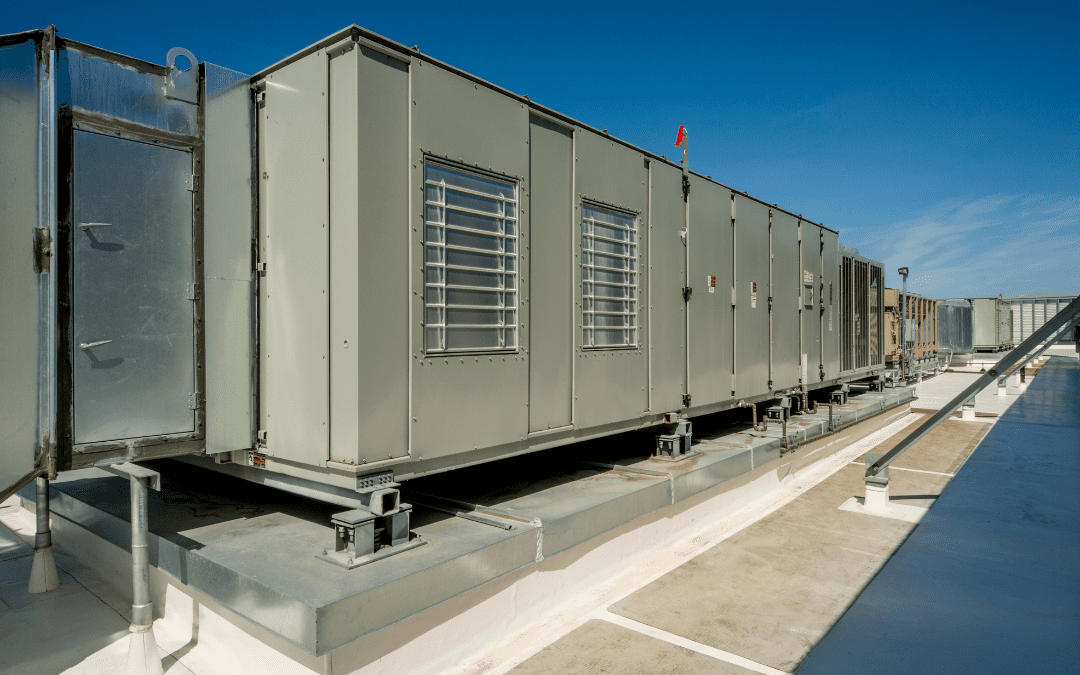
This article explains Saiver air handling systems, an advanced HVAC solution used to manage airflow, ventilation and indoor air quality in commercial buildings. We explore how Saiver systems operate and why air handling units play an important role in maintaining stable indoor environments across a range of building types in Australia. For organisations planning a new HVAC installation or upgrading existing equipment, understanding how air handling systems function is an important step in selecting the right solution.
Key Takeaways
- Saiver air handling systems support ventilation, airflow management and indoor air quality in commercial HVAC environments.
- These systems combine airflow control, filtration and temperature regulation to maintain stable indoor conditions.
- When integrated into a well-designed HVAC system, air handling units can contribute to improved energy efficiency and building comfort.
- Saiver air handling equipment can be configured for a range of building types and climate conditions across Australia.
- Independent Air Conditioning Solutions (IACS) supplies Saiver air handling systems and has more than 25 years of experience in the Australian HVAC market.
Understanding Saiver Air Handling Systems
Air handling units are a central component of many commercial HVAC systems. They circulate and condition air throughout a building while supporting ventilation and temperature control. Saiver air handling units are designed for commercial environments where reliable airflow management and indoor air quality are important for both building performance and occupant comfort.
What Sets Saiver Apart in Air Handling
Air handling units move air through a building’s duct system while filtering and conditioning it before distribution. In large buildings such as offices, retail environments or healthcare facilities, these systems form part of a broader HVAC network that manages temperature, ventilation and environmental conditions.
Modern air handling systems are designed to integrate with building management systems that monitor environmental conditions across different zones within a building. This integration allows airflow, temperature and ventilation rates to be adjusted according to occupancy levels and operational requirements. As a result, the HVAC system can maintain consistent indoor conditions while supporting efficient operation.
The Core Technology Behind Saiver
Saiver air handling units combine several components that work together to control airflow and maintain indoor air quality. High efficiency fan systems circulate air through the duct network and distribute conditioned air throughout the building. Many modern systems utilise variable speed drives that allow fan speeds to adjust according to demand, which can reduce energy consumption compared with fixed speed systems.
Filtration is another important element of air handling equipment. Multi-stage filtration systems help remove airborne particles before air is circulated through the building. Depending on the application, different filtration levels may be used to maintain indoor air quality and protect HVAC equipment from dust accumulation.
Air handling systems can also be integrated with heat recovery technologies in certain HVAC configurations. These systems allow energy to be transferred between incoming and outgoing air streams, helping reduce heating and cooling loads within the building. Control integration is also an important feature of modern air handling systems. Air handling units can connect to building management systems that monitor temperature, humidity and airflow conditions, allowing operators to adjust performance based on building requirements.
Benefits of Implementing Saiver Solutions
Selecting the appropriate air handling system can support several aspects of building performance. Air filtration and controlled ventilation help maintain indoor air quality by removing airborne particles and introducing fresh outdoor air into the building.
Airflow control systems and efficient fan operation can also support improved energy efficiency within the HVAC system. Instead of operating continuously at full capacity, the system can adjust airflow levels according to demand.
Air handling units also help maintain consistent environmental conditions throughout large indoor spaces. Stable airflow and temperature distribution contribute to comfortable working environments and support the overall performance of the building’s HVAC infrastructure.
The Role of Saiver in Modern HVAC
Modern buildings place increasing demands on HVAC systems. In addition to temperature control, systems must also manage ventilation, energy consumption and indoor air quality. Air handling units support these functions by circulating conditioned air throughout the building and managing the balance between fresh air intake and recirculated air.
Optimising Air Quality with Saiver
Indoor air quality is a key consideration in many commercial environments where large numbers of people share indoor spaces. Air handling units help maintain indoor air quality by filtering circulating air and ensuring appropriate levels of ventilation.
Filtration systems remove airborne particles such as dust and other contaminants before the air is redistributed throughout the building. At the same time, ventilation systems introduce fresh outdoor air while removing stale indoor air. Maintaining this balance is essential for supporting healthy indoor environments in offices, healthcare facilities, retail spaces and hospitality venues.
Energy Efficiency Gains from Saiver
Energy efficiency is an important factor in the design and operation of HVAC systems. Because heating, cooling and ventilation systems can represent a large portion of building energy consumption, improving system efficiency can have a meaningful impact on operating costs.
Modern air handling units support energy efficiency through improved fan design, airflow control and integration with building management systems. Variable speed fan systems allow airflow to adjust based on building demand rather than operating at constant full capacity. This helps reduce energy use while still maintaining required indoor conditions.
In some HVAC configurations, energy recovery systems can also be used to transfer heat between incoming and outgoing air streams. This reduces the energy required to heat or cool incoming fresh air.
Customisation for Diverse Applications
Air handling systems are commonly configured to suit the specific requirements of each building. Factors such as building size, occupancy levels and ventilation requirements influence how the HVAC system is designed.
Saiver air handling units can be used in a range of commercial environments including office buildings, retail centres, hospitality venues, healthcare facilities and education buildings. Because each project has different airflow and environmental requirements, HVAC equipment is typically selected and configured according to the needs of the building.
Key Components of Saiver Air Handling Systems
Air handling units contain several components that work together to manage airflow and indoor conditions within the building.
The Fan Section: Fans are responsible for moving air through the HVAC system and distributing conditioned air throughout the building. High efficiency fan systems help maintain consistent airflow while supporting energy efficient operation.
Filtration Stages: Air handling units use filtration systems to remove airborne particles before air is circulated through the building. These filters help maintain indoor air quality while also protecting HVAC components from dust accumulation.
Heating and Cooling Coils: Heating and cooling coils regulate the temperature of the air passing through the unit. These coils transfer heat between the air and the heating or cooling medium supplied by the wider HVAC system. Once the air is conditioned, it is distributed throughout the building via the duct network.
Humidity Management: In certain environments humidity control may also be required to maintain stable indoor conditions. Depending on the HVAC configuration, air handling systems can contribute to managing moisture levels within the building.
Control Systems: Air handling units are often connected to building management systems that monitor environmental conditions. These systems allow building operators to adjust airflow and temperature settings according to occupancy and operational requirements.
How Saiver Enhances Building Performance
Air handling systems contribute to the overall performance of commercial buildings by maintaining consistent indoor environmental conditions.
Improved Occupant Comfort: Stable airflow and temperature distribution help maintain comfortable indoor environments for building occupants.Better Indoor Air Quality: Air filtration and controlled ventilation help reduce airborne contaminants within indoor spaces.
Reduced Energy Consumption: Efficient fan systems and airflow control technologies support more efficient HVAC operation.
Operational Reliability: Modern air handling systems are designed for long term operation when installed and maintained as part of a properly designed HVAC system.
Integration with Existing Infrastructure
Air handling units can often be integrated into existing building infrastructure during HVAC upgrades or new installations.
Ductwork Compatibility: Air handling systems are typically connected to duct networks that distribute conditioned air throughout the building.Control System Integration: Many air handling units can integrate with building management systems to allow centralised monitoring and control of environmental conditions.
Retrofitting Possibilities: In some buildings, air handling systems may be introduced as part of retrofit projects designed to improve ventilation, airflow management or HVAC performance.
Choosing the Right Saiver Air Handling Unit
Selecting the correct air handling unit requires an understanding of the building’s HVAC requirements.
Assessing Your Building’s Needs: Key considerations include building size, occupancy levels, ventilation requirements and how the equipment will integrate with the wider HVAC system.Saiver’s Range for Australian Climates: Australia’s climate varies significantly between regions. HVAC systems must be designed to operate effectively in these conditions, and air handling equipment can be configured accordingly.
Expert Consultation for Saiver Selection: Selecting HVAC equipment typically involves consultation with experienced contractors, consultants and equipment suppliers. Access to technical guidance and product documentation helps ensure the selected equipment is appropriate for the project.
Independent Air Conditioning Solutions and Saiver Systems
Independent Air Conditioning Solutions (IACS) supplies air conditioning and air handling equipment across Australia. The organisation supports contractors, consultants and facilities managers involved in HVAC equipment selection and supply. With more than 25 years of experience in the Australian HVAC market, IACS provides equipment for projects across commercial, retail, hospitality and healthcare sectors, helping ensure systems are selected and configured appropriately for each application.
Nationwide Support for Saiver Air Handling Systems
IACS operates nationally with offices in Brisbane, Perth, Sydney and Melbourne. This network supports equipment supply, technical assistance and spare parts availability for HVAC systems across Australia. Customers can access product documentation, technical guidance, spare parts support and assistance with warranty pathways, helping ensure HVAC equipment can be maintained throughout its operational life.