Midea Commercial Air Conditioning

Supplying Midea Commercial Air Conditioning

Midea commercial air conditioning systems are used in a wide range of buildings across the global air conditioning industry. Offices, retail environments, and other commercial facilities require air conditioning that can manage larger spaces, changing occupancy, and extended operating hours. A well-designed HVAC system must maintain indoor comfort, operate efficiently, and provide reliable heating and cooling throughout the building.

Midea is recognised as a global leader in HVAC manufacturing and produces a large portfolio of products designed for both residential and commercial use. Midea air conditioners include a range of configurations suited to different building requirements. Many systems are designed to deliver cooling and heating while using less energy, helping building operators manage operating costs over time.

Independent Air Conditioning Solutions supplies Midea air conditioners and commercial HVAC equipment throughout Australia. IACS does not install systems. Instead, the company provides equipment and technical support to contractors, installers, and builders responsible for installation. This supply model allows licensed professionals to install each air conditioner while IACS focuses on equipment availability and product guidance.
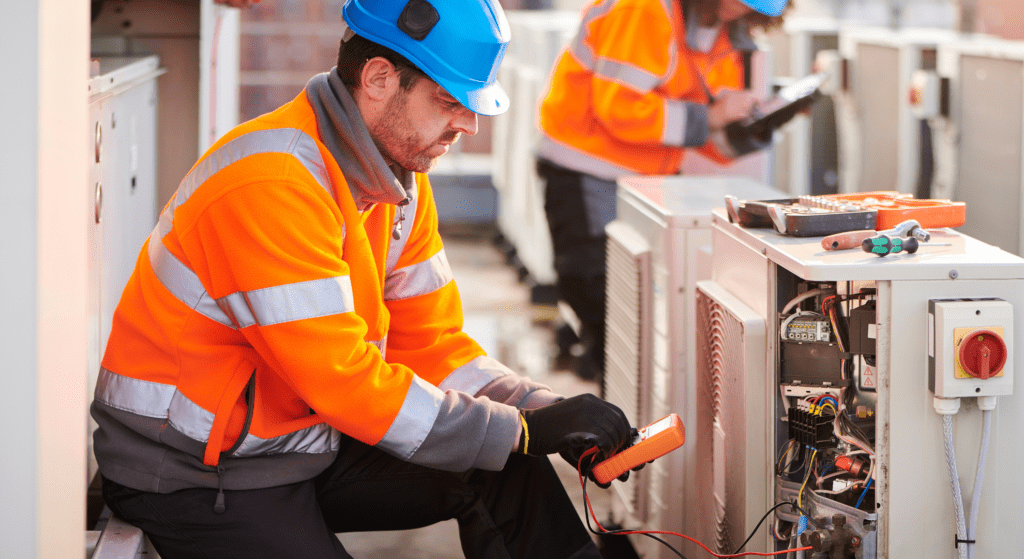
commercial aircon specialist doing maintenance check
7 Year Warranty Banner 208x62mm_CON2 (2)

Our Range of
Commercial HVAC Equipment

Comparing Inverter vs Non-Inverter Home Aircons

Commercial HVAC System Design

Commercial air conditioning systems must manage a larger number of rooms and operating conditions compared with residential equipment. Different areas of a building may require different temperature settings depending on occupancy or equipment load. Because of this, commercial installations often rely on flexible zoning and centralised control.

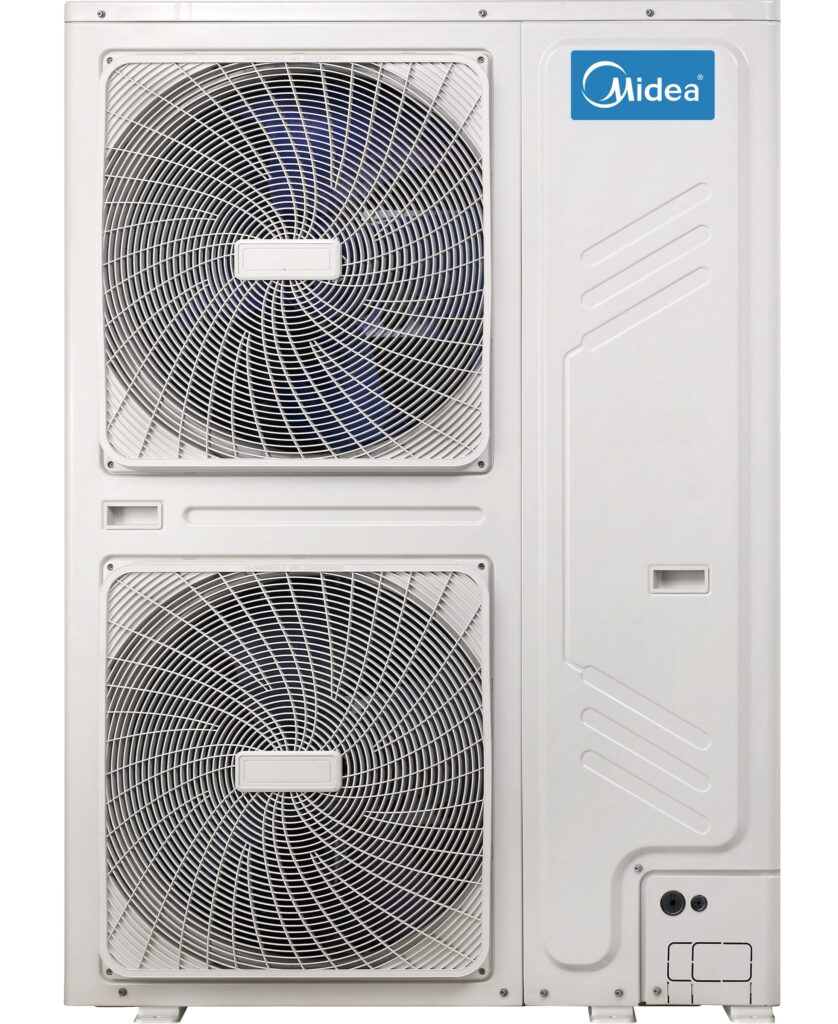
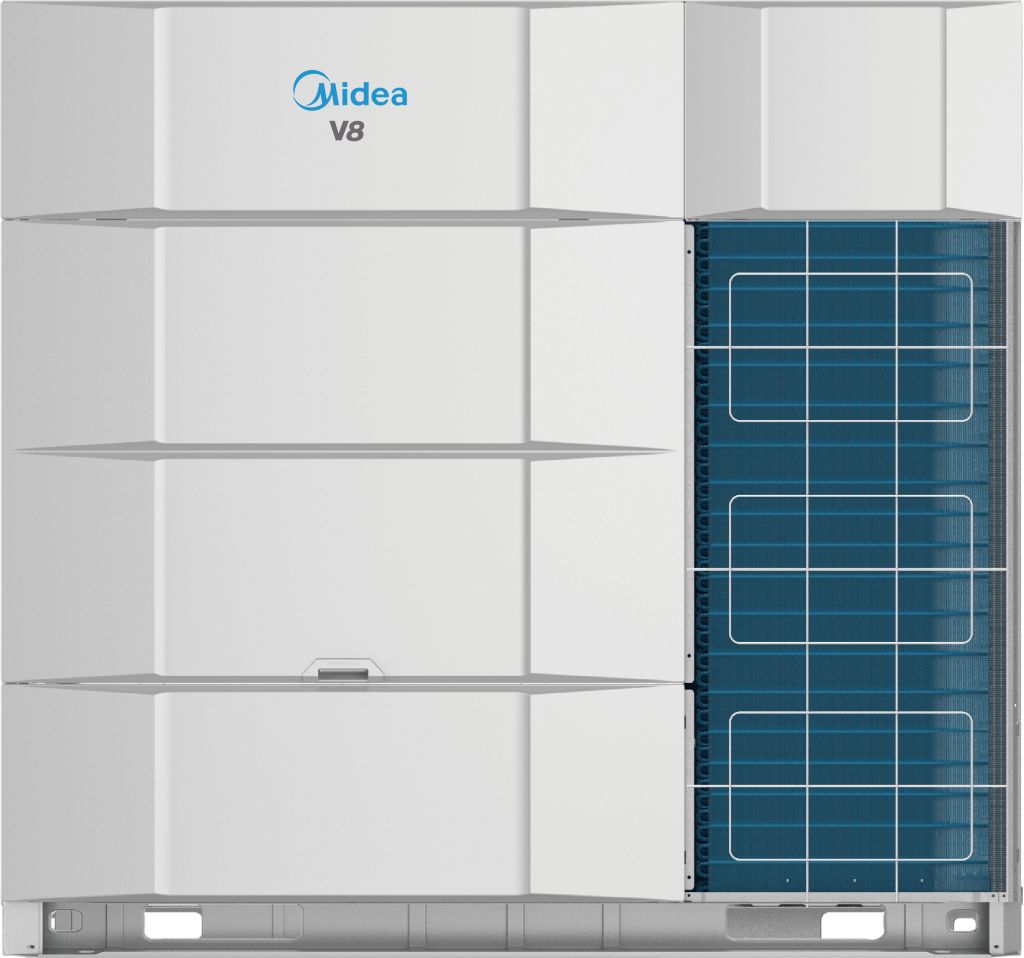
Midea commercial HVAC solutions allow multiple indoor units to operate across one integrated system. These systems can manage different rooms within a building while maintaining consistent climate control. Proper system design requires selecting the correct capacity, usually measured in kw, so the system can perform efficiently under varying building conditions.

Split System and Multi System Applications

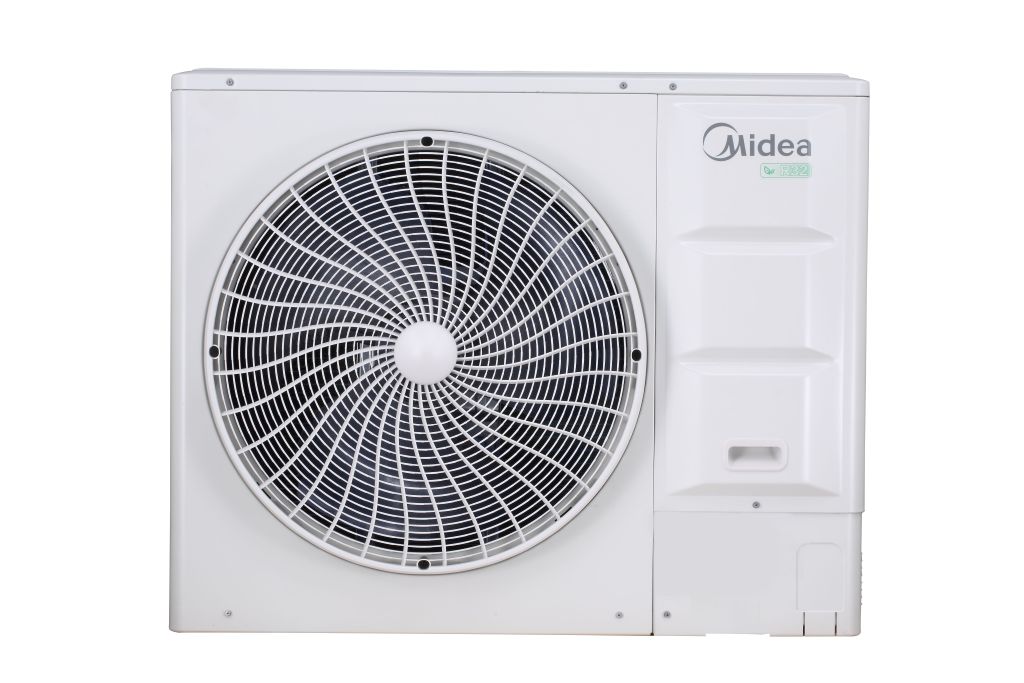
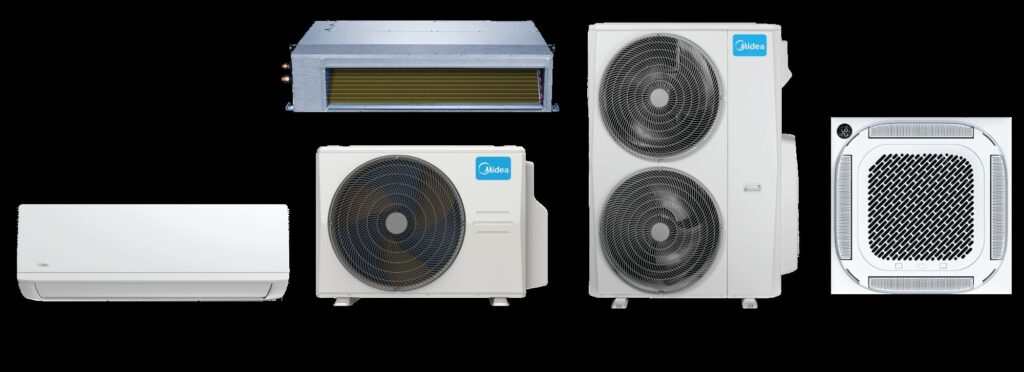
In smaller commercial environments, a split system air conditioner may be used to provide cooling and heating for individual areas. A split system includes an indoor unit located inside the building and an outdoor unit that performs the heat exchange process outside. The indoor unit distributes conditioned air within the room, while the outdoor unit manages the refrigeration cycle. These systems are commonly used where temperature control is required within a specific space.

Multi system installations allow several indoor units to connect to a single outdoor unit. This reduces the number of outdoor units required while allowing independent temperature control across different zones.

Commercial Indoor Units

Commercial installations often use a variety of indoor unit types depending on building layout. Ceiling cassette units are commonly installed in suspended ceilings where airflow must be evenly distributed across a room. Fan coil units and other indoor equipment are also used in larger HVAC systems. Many indoor units include a filter that helps maintain air quality while the system is operating.

These indoor components work together to maintain stable temperature levels and indoor comfort throughout the building.

Energy Efficiency and Operation

Energy performance is a major consideration when selecting commercial HVAC equipment. Many Midea air systems include inverter compressor technology that adjusts output depending on heating or cooling demand. This allows the air conditioning system to run efficiently while maintaining stable indoor temperatures. By adjusting compressor speed, the system avoids unnecessary energy consumption during lower load periods. Midea systems commonly use R32 refrigerant, which helps reduce environmental impact and requires less energy to operate compared with older refrigerants.

Control and System Management

Commercial HVAC installations often include a central controller to manage system operation. A controller allows building operators to adjust temperature settings across different zones and manage system performance. Control systems can also schedule system operation by time, allowing air conditioning to run only when required. This helps manage energy consumption while maintaining indoor comfort. Some systems also include different operating mode settings to optimise heating or cooling depending on building conditions.

Maintenance and System Support

Commercial air conditioning systems require regular maintenance to ensure reliable operation. Access to spare components helps technicians resolve issues quickly and maintain system performance.

Independent Air Conditioning Solutions provides spare parts and product service support for the equipment it supplies. Having parts available locally helps reduce downtime and allows contractors to maintain HVAC systems effectively. Proper maintenance helps keep systems running efficiently while maintaining indoor air quality and comfort.

Equipment Supply for Contractors

Independent Air Conditioning Solutions operates primarily as an HVAC equipment supplier rather than an installation contractor. The company supplies Midea commercial air conditioning equipment to licensed contractors responsible for installation.

The supply process typically includes:

  • Project enquiry or request from a contractor
  • Technical guidance on equipment selection
  • Preparation of a project quotation
  • Delivery of HVAC equipment
  • Ongoing parts and technical support

Installation and commissioning are completed by the contractor managing the project.

Commercial HVAC Supply in Australia

Independent Air Conditioning Solutions has been established in the Australian HVAC industry for more than twenty-five years. The company supplies air conditioning equipment to contractors working across residential and commercial building projects.

Through partnerships with manufacturers such as Midea, IACS provides access to HVAC equipment supported by local product knowledge and spare parts availability. Contractors seeking more information about Midea commercial air conditioning systems can contact the IACS team to discuss equipment supply and system configuration options for upcoming projects.

hvac for commercial building