Midea Air Conditioning Systems

Supplying Midea Air Conditioning

Selecting the right air conditioning system is an important step in any residential or commercial building project. Performance, reliability, and ongoing support influence how effectively heating and cooling equipment operates over time. Midea air conditioning systems are used across the global HVAC market and include a range of air conditioners designed to provide cooling, heating, and practical energy performance. The brand manufactures equipment for both residential and commercial environments.

Independent Air Conditioning Solutions (IACS) supplies Midea air conditioners and related HVAC equipment throughout Australia. IACS does not install air conditioning units or provide installation services. Instead, the company supplies equipment to contractors, installers, and builders, providing product availability, technical information, and spare parts support for installation projects. This model ensures that licensed professionals manage installation while IACS focuses on equipment supply and technical guidance.
7 Year Warranty Banner 208x62mm_CON2 (2)
Midea Air Conditioning Systems 2 midea warranty article 800x400 1

Understanding Midea Air Conditioning

Midea manufactures a wide range of HVAC products used in residential and light commercial environments. The portfolio includes split systems, ducted air conditioning systems, cassette units, window air conditioners, and multi system solutions.

These systems are designed to operate in a variety of building environments and provide basic cooling and heating performance with practical installation flexibility. Installers frequently select Midea air products where project budgets require cost controlled equipment while still meeting minimum efficiency standards.

Midea Residential Air Conditioning

Midea residential air conditioning systems are typically used in houses, apartments, and smaller commercial environments where individual room control is required.

A split system air conditioner is one of the most common HVAC installations in residential buildings. Split systems include an indoor unit and an outdoor unit that work together to deliver cooling or heating. The indoor unit distributes conditioned air into the room while the outdoor unit performs heat exchange outside the building. These systems are commonly used to control the temperature in a specific space or room. Many Midea split systems include inverter technology, allowing the compressor to adjust output depending on the heating or cooling demand.

Midea multi system air conditioners allow multiple indoor units to connect to a single outdoor unit. This provides flexibility for cooling different rooms while reducing the number of outdoor units required. Multi systems are often used in homes where several zones require independent temperature control but external installation space is limited.

Midea also produces window AC units that can be installed in a variety of window types. These units provide a cost effective cooling solution for smaller spaces where installing a split system may not be practical.

Woman Using Laptop Under The Air Conditioner
hvac for commercial building

Midea Commercial Air Conditioning

Midea also manufactures commercial air conditioning systems used in offices, retail environments, and larger buildings.

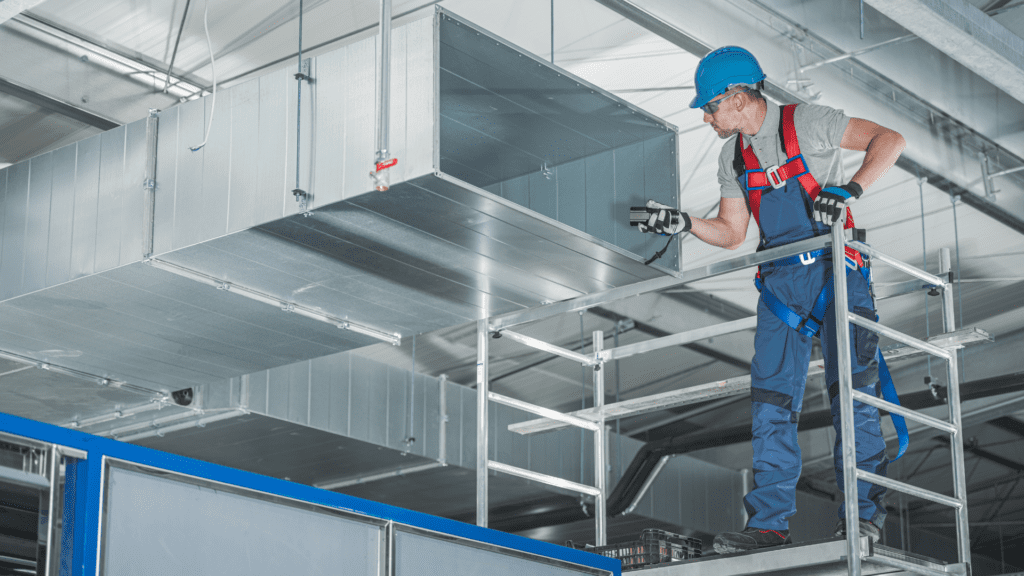
Midea ducted air conditioning systems provide climate control across an entire house or building. Air flows through ducting and is delivered through ceiling diffusers to maintain consistent temperature across multiple rooms. Ducted systems are commonly installed in new homes or commercial spaces where centralised climate control is required.

Cassette air conditioning systems are designed to fit into suspended ceilings and distribute air in multiple directions. These systems are typically used in offices, hospitality venues, and retail environments where balanced airflow is required.

Energy Efficiency and Technology

Energy performance is a key consideration when selecting HVAC equipment. Many Midea air conditioners include inverter compressors that adjust output based on cooling or heating demand. This helps maintain stable indoor temperatures while managing energy use. Some systems include a 1 watt standby mode, which reduces power consumption when the unit is not operating.

Midea air conditioning units commonly use R32 refrigerant, which requires less energy to operate and has a lower environmental impact compared with older refrigerants. System capacity is generally measured in kw, and selecting the correct capacity is essential to ensure efficient operation.

Smart Controls and Connectivity

Modern Midea systems include basic smart control functionality. The Midea air conditioning app allows users to control one or multiple split systems from a mobile device. This includes adjusting temperature settings, scheduling operation, and monitoring system status remotely.

Some systems also integrate with Google and Amazon voice assistants, allowing voice control capability. Many models include a self cleaning function, which runs when the unit is turned off to help reduce internal moisture buildup.

Market Position and Pricing

Within the Australian HVAC market, Midea systems are typically positioned as budget focused equipment. Many models are among the lowest priced split systems available in Australia, which makes them suitable for projects where upfront equipment costs must remain low. Installers and builders often select Midea systems for budget constrained projects where meeting minimum efficiency requirements is the primary objective.

Warranty and Service Support

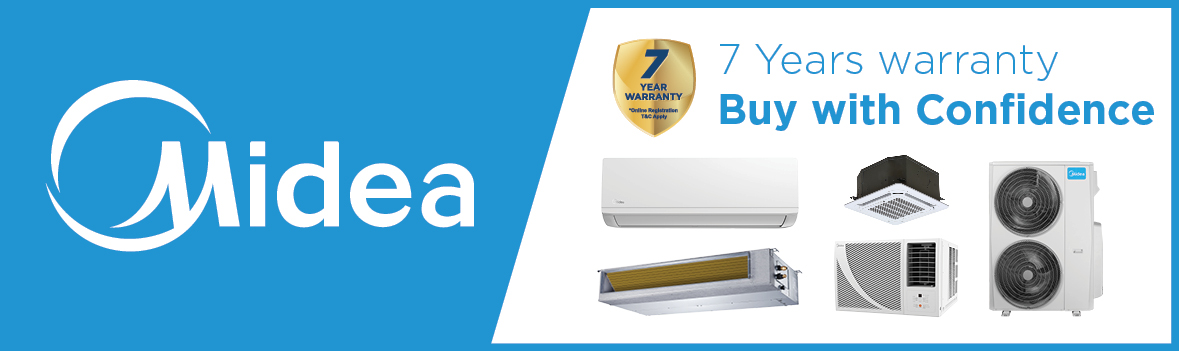
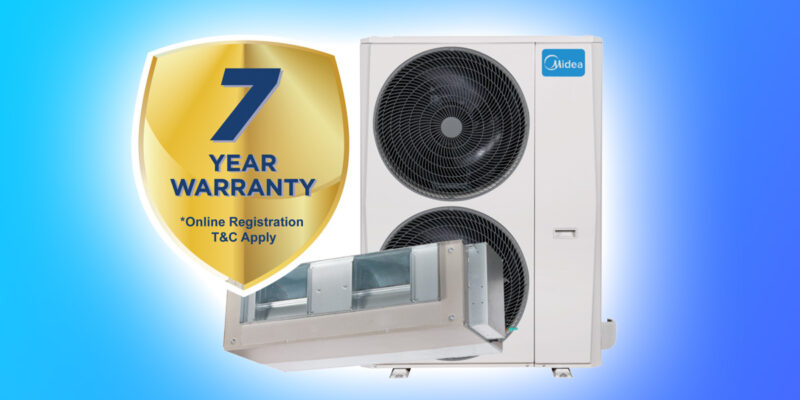
Most Midea split systems supplied in Australia include a 7 year parts and labour warranty when installed by a licensed contractor according to the manufacturer’s installation requirements. This warranty provides coverage for eligible components and service work during the warranty period, subject to the applicable terms and conditions.

For systems supplied through Independent Air Conditioning Solutions, warranty requests are submitted through a structured service process. Installers or contractors lodge a service request with the relevant unit and installation details, and the claim is reviewed against the warranty conditions. Because IACS operates as an equipment supplier rather than an installer, warranty support is typically coordinated through the contractor or technician responsible for the installation.

Equipment Supply for Contractors

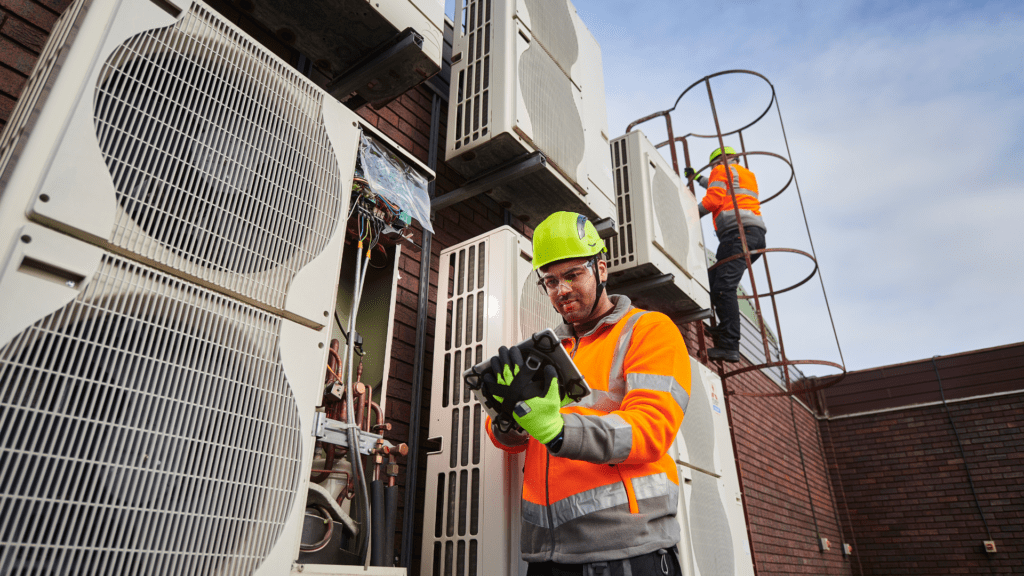
Independent Air Conditioning Solutions operates primarily as an HVAC equipment supplier rather than an installation contractor. IACS supplies Midea air conditioning systems to licensed contractors, air conditioning installers, and building professionals responsible for installation.

The typical supply process involves:

  • Project enquiry from an installer or builder
  • Technical guidance on suitable equipment
  • Preparation of a project specific quote
  • Supply and delivery of systems
  • Spare parts and technical support

Installation and commissioning are completed by the contractor managing the project.

HVAC Equipment Supply Across Australia

Independent Air Conditioning Solutions has been established in the Australian HVAC industry for more than 25 years. The company operates nationally, supplying air conditioning equipment and technical support to contractors working on residential and commercial projects. Through partnerships with manufacturers such as Midea, IACS provides access to HVAC systems supported by local product knowledge and spare parts availability. Contractors seeking information about Midea air conditioning systems can contact the IACS team for product specifications, technical documentation, and equipment supply options for upcoming projects.

Technicians installing aircon - building top