
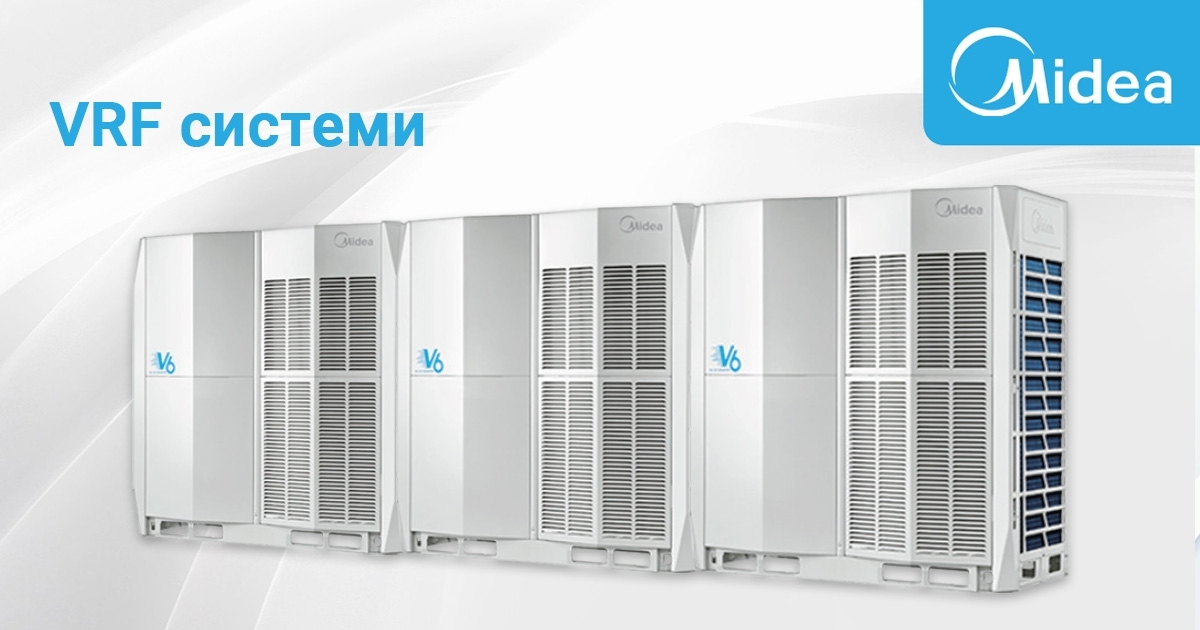
Modern commercial buildings are no longer simple shells of concrete and steel. They’re dynamic, multi-use spaces that demand precise climate control to maintain comfort, reduce energy costs, and meet environmental standards. As a result, commercial HVAC systems have had to evolve, and Variable Refrigerant Flow (VRF) and Variable Refrigerant Volume (VRV) systems have emerged as frontrunners.
At IACS, we’ve seen firsthand how VRF heat pump systems are transforming commercial air conditioning across Perth. This guide explains how they work, why they matter, and what they can do for your business.
Key Takeaways
- VRF and VRV systems offer zone-by-zone temperature control, making them ideal for commercial buildings with varied usage patterns.
- Energy efficiency is a major advantage of VRF systems, reducing power consumption by up to 30% compared to traditional HVAC systems.
- Flexible zoning and heat recovery options ensure different areas of a building stay comfortable without wasting energy.
- Compact, modular design makes VRF systems ideal for retrofits, multi-use spaces, and heritage buildings where ductwork is impractical.
- Quiet operation and scalable configurations make them suitable for everything from hotels to hospitals and office towers.
- VRF systems are a smart choice for Perth’s climate, offering efficient cooling in summer and precise heating in winter.
- Installation costs are typically higher than conventional systems, but long-term savings and system lifespan deliver excellent ROI.
- IACS offers tailored design, installation, and support, ensuring your system performs reliably and complies with all commercial HVAC standards.
What Are VRF and VRV Systems?
Let’s start with the basics. VRF and VRV refer to the same type of HVAC technology. The term “VRV” is trademarked by Daikin, while “VRF” is the more commonly used industry term.
In a nutshell, a VRF system is an air-conditioning solution that uses refrigerant as the cooling and heating medium. This refrigerant is conditioned by a single outdoor condensing unit and circulated within the building to multiple indoor units.
What makes VRF technology different is its ability to modulate the amount of refrigerant sent to each indoor unit. In simpler terms: each room or zone can have its own temperature setting, all controlled by a central system. It’s flexible, efficient, and highly adaptable.
How Does a VRF System Work?
Unlike traditional HVAC systems that operate on an all-or-nothing basis, VRF systems adjust output depending on the specific needs of each zone in a building.
At the heart of a VRF system is an inverter compressor. This intelligent unit adjusts the speed of the compressor motor in real time, delivering only as much refrigerant as needed to maintain the desired indoor climate.
This refrigerant travels to indoor fan coil units, called VRF fan coils which are distributed throughout the building. These fan coils can be wall-mounted, cassette-style, ducted, or floor-standing, giving you plenty of design freedom.
The result? Each space in your building receives exactly the right level of heating or cooling at all times, no more, no less.
Advantages of VRF Systems for Offices and Commercial Buildings
Here’s where VRF systems really shine: in commercial use. Whether you’re managing a busy office block, a hotel, a retail precinct, or a mixed-use development, the benefits of VRF are hard to ignore.
-
Energy Efficiency and Lower Operational Costs
One of the biggest benefits of VRF systems is reduced energy use in large buildings. Because the system only supplies as much refrigerant as needed for each zone, there’s no wasted energy.
This zoning capability, combined with inverter-driven compressors, can reduce energy consumption by up to 30% compared to traditional systems. That translates to lower power bills and a smaller carbon footprint, both crucial for any business operating in 2025. -
Flexible Zoning and Temperature Control
If your building includes a mix of uses say, a café on the ground floor, offices above, and meeting rooms at the back, then you know how difficult it can be to keep everyone comfortable. VRF systems solve this with flexible zoning and temperature control. Each area can be controlled independently, allowing tenants or departments to set their own preferences. No more fights over the thermostat, and no more heating or cooling empty rooms. This makes VRF air conditioning installations ideal for Perth’s ever-evolving commercial spaces, where flexibility is everything.
-
Quiet Operation
Because VRF systems use multiple smaller indoor units and run at partial load most of the time, they are remarkably quiet. That makes them a perfect fit for environments where noise disruption must be minimised, such as legal offices, medical centres, schools, and libraries.
-
Compact and Non-Intrusive Design
Space is always at a premium in commercial real estate. Traditional HVAC systems often require bulky ductwork, large mechanical plant rooms, and high ceiling cavities. VRF systems, on the other hand, are lightweight and modular. They use small-diameter refrigerant piping instead of large ducts, which means they take up less space and are easier to install in tight roof cavities or wall voids. This is especially beneficial in heritage refurbishments or office fitouts where preserving aesthetics matters.
-
Heat Recovery Options
Many VRF heat pump systems also support heat recovery. This means the system can cool one zone while simultaneously using the extracted heat to warm another. For example, a sunny west-facing conference room might need cooling while a shaded eastern office needs heating. A heat recovery system makes that possible, without running two separate systems. It’s a smart way to enhance comfort while saving even more energy.
Why VRF Technology Is Ideal for Perth’s Climate
Perth’s commercial buildings face a unique set of climate challenges. With hot, dry summers and mild winters, cooling demand tends to outweigh heating, but both are needed year-round.
A VRF heat pump system is particularly well suited to Perth’s climate. It offers rapid cooling during summer, energy-efficient heating during winter, and full control in shoulder seasons where different parts of the building need different things at the same time.
In other words: it adapts to your building’s needs and our city’s changing weather patterns.
When to Choose VRF Air Conditioning for Your Building
Not all buildings are the same, and no HVAC system is truly one-size-fits-all. But VRF systems are particularly well suited to the following commercial scenarios:
- Medium to large office buildings with open-plan areas and multiple meeting rooms
- Mixed-use developments where tenants may have very different temperature requirements
- Retrofitting projects where space is limited for ductwork
- New builds aiming for high NABERS ratings or Green Star certification
- Hotels where individual room control is essential
If your building fits any of these categories, it’s worth speaking to our commercial HVAC team at IACS to explore the best VRF system for your needs.
VRF Air Conditioning Installations in Perth: What to Expect
Installing a VRF system isn’t just about swapping out an old air con for something new. It’s a comprehensive process that starts with building analysis and ends with optimised system control.
Here’s how it works with IACS:
Step 1: Site Assessment and System Design
We begin with a detailed assessment of your site, existing systems, floor plan, occupancy patterns, and future expansion plans.
Using this data, we design a custom VRF system that meets your energy, zoning, and budget goals.
Step 2: Product Selection
We select industry-leading VRF heat pump systems and VRF fan coils from trusted suppliers—brands known for quality, efficiency, and long-term support.
Step 3: Installation
Our licensed technicians install your new system with minimal disruption to your operations. We coordinate closely with other trades and work to your timeline.
Step 4: Commissioning and Controls
Once installed, we fine-tune every component to ensure maximum performance. You get full control via wall-mounted panels, mobile apps, or building management systems.
Step 5: Support and Maintenance
We don’t walk away after installation. Our team provides ongoing maintenance, 24/7 support, and compliance checks to keep your system running smoothly year after year.
The IACS Advantage: Why Businesses Choose Us for Commercial HVAC
At IACS, we’ve been delivering tailored commercial HVAC solutions across Perth for over a decade. We specialise in smart, energy-efficient systems, and VRF is a key part of that.
Our experience spans education, health care, aged care, retail, industrial, and hospitality. We know what it takes to deliver a system that performs under pressure and pays for itself over time.
More importantly, we focus on clear communication and long-term partnerships. From feasibility studies through to commissioning and lifecycle support, you can count on IACS for dependable expertise.
Pricing: What Does a VRF System Cost?
VRF systems are an investment, but one that delivers strong returns through reduced energy bills and lower maintenance.
The cost of a VRF installation varies depending on:
- The number of zones and indoor units
- Total building area and thermal load
- Whether heat recovery is included
- Controls and monitoring systems
- Installation complexity
As a rough guide, you can expect costs to range from $250–$450 per square metre of conditioned space, fully installed.
We offer obligation-free consultations to give you a clear, tailored estimate for your project.
Final Word: Flexible Comfort Without the Waste
In a city like Perth, where the climate and working patterns vary wildly from one building to the next, flexibility is everything. VRF systems deliver that flexibility, along with energy savings, comfort, and control.
Whether you’re managing a multi-storey development or a boutique office block, installing a VRF system can be a smart move that improves performance while reducing overheads.
To learn more about our commercial HVAC services or to discuss your next project, get in touch with the IACS team today. We’re happy to help.